Smart Choices for Every Lifestyle
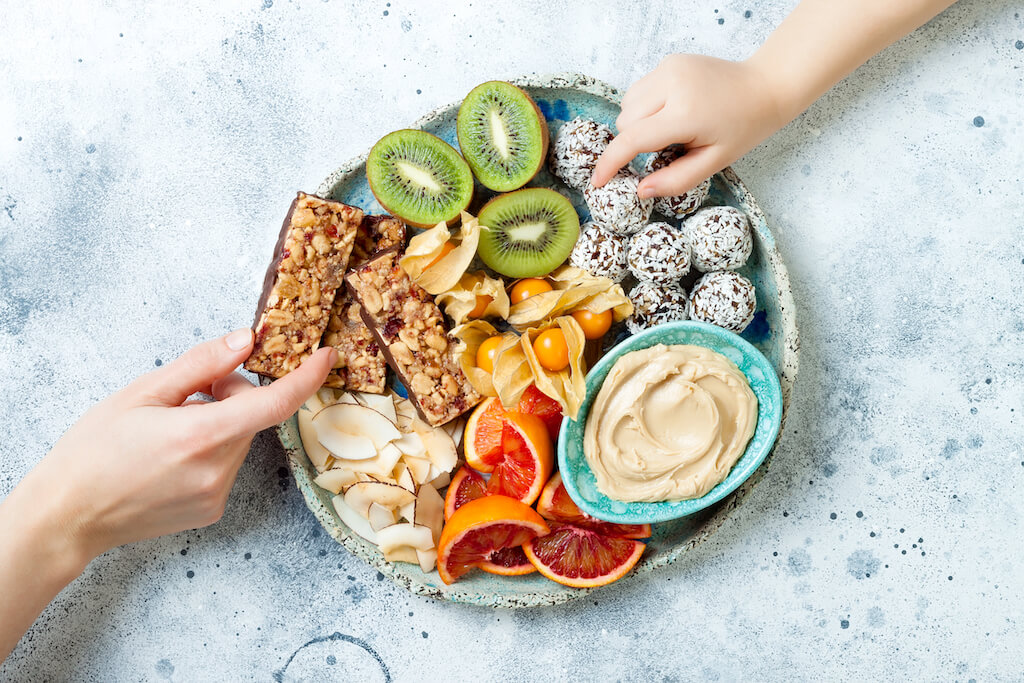
Between endless work deadlines, school pickups, and daily responsibilities, grabbing whatever’s convenient often wins over nutrition. But with some planning, you can transform your snacking habits without breaking the bank. This guide draws from my five years as a nutrition coach and my own journey from processed food junkie to mindful snacker.
Why Healthy Snacking Matters
I used to think all snacking was bad—just empty calories between meals. That changed when my nutritionist explained how strategic snacking helps maintain steady blood sugar levels and prevents overeating at mealtimes.
Since implementing better snacking, my afternoon energy crashes have disappeared, and I’ve noticed my concentration has improved dramatically during late workdays. When we go too long without eating, our blood sugar drops, triggering intense hunger that often leads to poor food choices.
A thoughtfully timed snack can prevent the “hangry” monster from emerging, provide steady energy throughout the day, and deliver nutrients that might be missing from main meals. For active people, nutritious snacks help fuel workouts and recovery while making it easier to control portions at dinner.
I’ve found research from Cornell University that showed people who incorporated planned, nutritious snacks actually consumed fewer total daily calories than those who tried to avoid snacking altogether. The key is intention rather than mindless grazing.
GAME-CHANGING WEIGHT LOSS REVELATION!🔥 Activate your body’s natural slimming power with a secret celebrities have kept hidden! 💪

Budget-Friendly Options That Actually Taste Good
You don’t need to spend a fortune on fancy health foods. My go-to cheap healthy snacks deliver impressive nutritional benefits without emptying my wallet:
Homemade popcorn with olive oil and spices has become our Friday night ritual while we watch movies. My kids fight over who gets to shake the pot with the kernels.
Bananas with peanut butter saved me during that insane project last month when I was working until midnight. Quick, filling, and no cooking required.
I started making my own hummus after realizing I was spending $5 a week on tiny containers. Now I make a big batch on Sundays for about $2 total and pair it with carrots cut into sticks.
DIY trail mix has been a game-changer for hiking trips. I buy nuts and dried fruit in bulk, then add just a few dark chocolate chips to make it feel indulgent.
Last month I tracked my spending and discovered I saved nearly $40 by prepping snacks at home instead of buying pre-packaged versions. The key is buying seasonal produce and certain items in bulk.
When shopping for affordable healthy snacks, I’ve learned a few tricks through painful trial and error:
Check the frozen section for berries and vegetables. I once paid $6 for fresh blueberries only to find them for $2 in the freezer section the next day.
Buy “manager’s special” items near expiration and freeze them immediately. My neighbor thought I was crazy until she saw how much I saved.
Shop at farmers’ markets late in the day when prices drop. That’s how I scored a whole box of slightly bruised apples for $3 last fall.
My friend Michael feeds his family of four on a tight budget, and he swears by buying oats, rice, and beans from bulk bins. “You’re not paying for packaging, marketing, or brand names,” he tells me. “We save about 30% on these items compared to pre-packaged versions.”
Satisfying Your Sweet Tooth Without Guilt
My biggest weakness? Chocolate. After trying to eliminate it completely (and failing miserably for three straight months), I found better ways to incorporate healthy chocolate snacks that don’t derail my nutrition goals.
Dark chocolate squares (70%+ cacao) with almonds have become my nightly ritual. Just two squares feels luxurious but doesn’t go overboard.
My kids go crazy for homemade smoothies with unsweetened cocoa powder, frozen banana, and a touch of honey. They think it’s dessert; I know it’s packed with potassium and antioxidants.
Greek yogurt with cocoa powder and berries was a complete accident. I was out of vanilla extract and desperate for something sweet, so I tried cocoa powder instead. It’s been in my weekly rotation ever since.
The trick is mindful portion sizes and choosing options with minimal added sugars. When my daughter’s friend came over and raved about my “brownie bites” (really just date balls with cocoa), I knew I’d found a winner.
Dark chocolate contains flavanols that may help reduce inflammation and support heart health when enjoyed in moderation. During a wellness challenge at work, our nutritionist suggested replacing milk chocolate treats with small amounts of dark chocolate. After a couple weeks, I actually began preferring the more complex flavor of darker chocolate—something I never thought possible!

Pet-Friendly Snacking: What Works for Fido
Our family commitment to better eating extends to our golden retriever, Max. Healthy snacks for dogs require the same consideration we give our own nutrition. After consulting with our vet (and one expensive emergency visit after Max ate chocolate), we’ve found several options that keep his tail wagging.
Small pieces of cooked, lean chicken breast are his absolute favorite. I save trimming bits when preparing our meals and store them in a container for training.
Carrot sticks have become his go-to crunch. The vet says they’re good for his teeth, and he gets so excited when he hears me peeling carrots that he skids across the kitchen floor.
Apple slices (removing all seeds) are his summer treat. I discovered this by accident when I dropped a piece while making a pie, and he snatched it faster than I could react.
Blueberries as training treats work surprisingly well. He’s so gentle taking them from my fingers, unlike the way he inhales other treats.
We’ve saved a small fortune making his treats ourselves, and his coat has never looked shinier. Our vet, Dr. Martinez, warned us about commercial treats with artificial preservatives and excess sodium. “Just like with humans, whole food snacks are generally better for dogs,” she told us during Max’s annual checkup. “Think about ingredients you can recognize and pronounce.”
After our neighbor’s dog developed allergies, I started carefully labeling Max’s homemade treats with ingredients. It takes just a few extra minutes but provides peace of mind knowing exactly what he’s consuming.
Protein-Powered Options for Sustained Energy
When my afternoon slump hits around 3 PM, I need something substantial. Kindness protein bars have become my go-to when I’m running between meetings, but I’ve found other protein-rich options work just as well.
Greek yogurt with berries and a sprinkle of granola keeps me full for hours. I prepare small containers on Sunday for the week ahead.
Hard-boiled eggs with everything bagel seasoning saved me during tax season last year when I was working 12-hour days and needed real food fast.
Cottage cheese with pineapple chunks reminds me of what my grandmother used to make. Retro, but effective for hunger management.
Homemade protein bites (oats, protein powder, honey, and nut butter) have been my pre-gym staple. I can pop two before a workout and have steady energy throughout.
What makes quality protein bars worth keeping in your desk drawer? Look for at least 10g protein per bar, less than 5g added sugar, recognizable ingredients, adequate fiber (3g+) to keep you full, and no artificial sweeteners that might cause digestive issues.
My personal test: if it tastes exactly like a candy bar, it probably isn’t much better for you nutritionally! I learned this lesson the hard way after grabbing a “protein bar” at the gas station that turned out to have more sugar than a candy bar. Now I carefully read labels and stick to trusted brands.
While Kindness bars are my favorite for taste and clean ingredients, I’ve also found good options from smaller companies at our local health food store. Carlos, my workout partner, makes his own protein bars every Sunday. “It takes about 20 minutes,” he explained, “and costs less than half of the store-bought versions.”
School-Friendly Options Kids Actually Eat
As a parent and PTA volunteer, I’ve seen countless lunchboxes return home with untouched “healthy” options. The key to healthy snacks for school is finding the sweet spot between nutrition and what kids will actually eat.
After the disaster of sending my son to kindergarten with kale chips (which came home with a note from a classmate calling them “leaf garbage”), I’ve gotten more strategic about healthy school snacks.
Cheese sticks paired with whole-grain crackers have a 95% consumption rate in our household, compared to the 0% success with the kale experiment.
Apple slices with sunflower seed butter work for nut-free classrooms and don’t turn brown thanks to a little lemon juice.
Homemade muffins with hidden zucchini or carrots took six recipe attempts to perfect, but now my kids request them specifically.
Yogurt tubes (I freeze them in summer so they stay cold) are perfect for hot days when everything else melts or wilts.
After organizing a classroom taste test, our school implemented “Try-It Tuesday” where kids sample a new nutritious snack each week. The program has dramatically changed what kids bring from home.
Our school nurse, Ms. Patel, shared research showing children who eat balanced snacks show better attention spans and academic performance. “The sugar crashes from cookies and juice boxes aren’t doing them any favors,” she explained during a parent workshop.
This motivated our PTA to create a recipe booklet of healthy school snacks that parents could easily prepare. The booklet includes icons showing which snacks work for common allergies and which can be prepped days in advance. My contribution—banana sushi (banana spread with sunflower butter and rolled in rice cereal)—became a surprise hit among third graders.
Going Organic: When It Makes Sense
While not everything needs to be organic, certain organic healthy snack options are worth the extra cost. I prioritize organic for items on the “dirty dozen” list (those with highest pesticide residues).
Organic strawberries and apples for fresh snacking were a non-negotiable after I learned about pesticide levels from our pediatrician.
Organic popcorn kernels are surprisingly affordable and make movie night feel special without breaking the budget.
Organic bell peppers for dipping came into our rotation after I noticed conventional ones seemed to spoil faster anyway.
For the “clean fifteen” produce items with lowest pesticide concerns, I save money by buying conventional. Remember—organic cookies are still cookies! Nutritional content should always be your first consideration.
During a farmers market tour with a local nutritionist, I learned that some smaller farms use organic practices but haven’t gone through expensive certification. Asking vendors about their growing practices has led me to fantastic local produce that’s grown responsibly but doesn’t carry the official organic label or price tag.
When my budget is tight, I use the Environmental Working Group’s guides to prioritize which items are most important to buy organic. Their website and app make it easy to check while shopping.
Creating Sustainable Habits That Last
Knowledge isn’t enough—it’s the consistent habits that transform health. After struggling with implementation (and a pantry reorganization that failed spectacularly), I’ve found these strategies make nutritious snacks a natural part of daily life.
Sunday prep sessions: I spend 30 minutes washing, chopping, and portioning snacks for the week. The first time, it took nearly two hours because I was overly ambitious. Now I stick to the basics.
Strategic placement: Healthy options stay at eye level in the fridge and pantry. The cookies require a stepstool, which is just enough deterrent to make me think twice.
Two-minute rule: I always keep some options that require zero prep time for my busiest days, like a perfectly ripe avocado or pre-portioned nuts.
Mindful moments: I try to snack without screens to enjoy the experience fully. This one’s still a work in progress—especially during workdays.
These simple systems have helped our family maintain consistent healthy snacking for over two years now, even during our busiest seasons.
After a back injury left me unable to meal prep for several weeks, we discovered how quickly old habits return. This taught me the importance of having backup plans—like keeping a list of nutritious store-bought options and teaching my kids basic snack preparation skills.
My neighbor Lisa, a busy surgeon with twins, taught me her “snack box” system. Each weekend, she fills a container for each family member with their portioned snacks for the week. “It eliminates decision fatigue and prevents arguments,” she told me. “Plus, everyone learns to pace themselves rather than consuming everything at once.”
Final Thoughts: Progress Over Perfection
What we eat between meals might seem inconsequential, but these choices compound over time. The most sustainable approach isn’t perfection but progress—making improvements that align with your lifestyle.
By viewing snacks as nourishment rather than mindless fillers, we transform these small eating occasions into meaningful components of a balanced life. This shift has not only improved our family’s nutrition but has actually saved us money and increased our enjoyment of food.
When I look back at my snacking journal from three years ago, I’m amazed at the transformation. What began as a reluctant effort to improve my health has become a natural part of how we eat. The change wasn’t overnight—it happened through consistent small choices and finding nutritious foods we genuinely enjoy.
What healthy snacking strategy will you try first? Remember that every positive choice matters, and the journey toward better nutrition is exactly that—a journey, not a destination.
READY TO TACKLE STUBBORN BELLY FAT QUICKLY? 🔥Here’s your hidden gem! Simply blend this tasteless powder into your morning coffee and watch the transformation happen! 💪




 Fitness Motivation & Sustainable Health Habits
Leave a comment