
“5 out of 7,” my doctor said, sliding the health assessment results across her desk.
“Is that good?” I asked hopefully.
She gave me a pointed look over her reading glasses. “It means you’re meeting five of the seven recommended health markers. Not terrible, but we can do better.”
At 43, I’d finally started paying attention to my physical wellbeing after decades of cheerful neglect. The health assessment was a baseline measurement—my first honest accounting of where I stood.
“What are the two I’m missing?” I asked, though I already suspected the answer.
“Consistent physical activity and stress management,” she confirmed. “Your bloodwork is decent, your weight is within reasonable range, you don’t smoke, your blood pressure is controlled with medication. But you’re sedentary, and your stress levels are affecting your health.”
I wasn’t surprised. Between my demanding job as a middle school principal and raising two teenagers as a single dad, exercise had become a theoretical concept—something I knew existed but never actually experienced myself.
“So… join a gym?” I offered weakly.
Dr. Chen shook her head. “I want you to think bigger than that. It’s not about occasional workouts; it’s about your overall approach to physical activity. You need to understand the benefits of an activity can be transformative when incorporated consistently.”
That conversation sparked a journey that would reshape not just my relationship with movement, but my entire approach to wellbeing. This is the story of how I stopped viewing exercise as an obligation to avoid and discovered a path to sustained physical health that actually worked for my real, complicated life.

The False Start: When Traditional Advice Fails
Like most people, my first instinct was to follow conventional wisdom. I Googled “what type of exercise contributes most to building strong bones” and other fitness basics, determined to make informed choices.
Armed with my new knowledge, I joined a gym, bought new workout clothes, and set my alarm for 5 AM. I was going to transform myself through sheer determination.
That enthusiasm lasted exactly eight days.
By day nine, a school crisis requiring late-night intervention left me exhausted. I silenced my 5 AM alarm and promised myself I’d go the next day. I didn’t. Or the day after. Within two weeks, my gym bag had been repurposed for weekend trips to visit my son at college.
This pattern wasn’t new. I’d attempted fitness regimens before with similarly short-lived results. But this time, the sense of failure felt more significant. My doctor’s words about the connection between physical activity and overall health haunted me. I wasn’t just failing at exercise—I was potentially compromising my longevity and quality of life.
In my frustration, I reached out to an old friend who had successfully maintained an active lifestyle despite a schedule as demanding as mine. His response surprised me.
“You’re approaching this all wrong,” Marco told me over coffee. “You’re trying to add exercise to an already overcrowded life instead of looking at lifestyle moving as a fundamental shift in how you approach everyday living.”
He explained that his own transformation began not with intense workouts but with a simple principle: move more throughout the day, in whatever ways fit naturally into existing routines.
“Overall you need to take responsibility for your physical fitness,” he said, “but that doesn’t mean becoming a different person overnight. It means gradually reorganizing your life around movement rather than avoidance of it.”
This perspective was radically different from my all-or-nothing thinking. It offered a middle path I hadn’t considered—one that didn’t require 5 AM heroics or personality transplants, but rather thoughtful integration of movement into my existing life.
The Paradigm Shift: Redefining Exercise
Marco’s advice led me to research beyond mainstream fitness guidelines. I discovered that the continuous nature of the physical fitness concept isn’t about rigid workout schedules but consistent movement patterns throughout life.
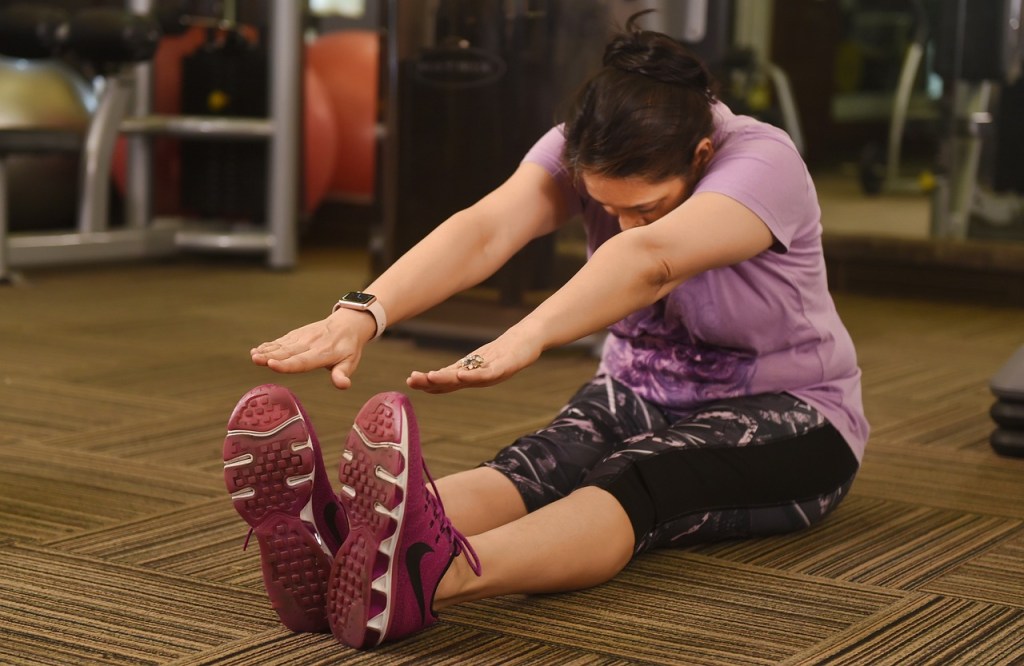
This idea was transformative. Rather than viewing exercise as isolated events (gym sessions, weekend activities), I began seeing all movement as beneficial—standing during phone calls, taking stairs, walking between meetings, stretching while watching TV with my kids.
I learned that which of the following is not a short-term fitness goal helped distinguish between approaches that might create temporary results versus sustainable change. Weight loss, for instance, could be achieved temporarily through extreme measures, but improving functional capacity and establishing consistent habits would create lasting benefits.
This shift in thinking allowed me to establish more realistic expectations. I wasn’t going to transform my body in 30 days, but I could gradually build a movement practice that would serve me for decades.
When did physicality become a word in our cultural vocabulary? I wondered as I researched. The concept of deliberate exercise is relatively modern—historically, people moved naturally throughout their days without “working out.” This historical perspective helped me see that my goal wasn’t to add artificial exercise but to restore natural movement patterns that modern life had engineered out of my existence.
The Practical Implementation: Small Changes, Big Impact
With this new understanding, I began making strategic adjustments to incorporate more movement into my daily life:
At Work:
- I started tracking “move 7” opportunities—seven brief movement breaks throughout my workday
- I shifted one-on-one meetings with staff to walking formats when appropriate
- I set up a standing workstation option in my office
- I began parking at the far end of the school lot
- I used a timer to remind me to stand and stretch hourly
At Home:
- I implemented a “no sitting during commercials” rule when watching TV
- I discovered exercises beginning with e that could be done while waiting for coffee to brew or dinner to cook
- I involved my teenage daughters in active household tasks, turning chores into movement opportunities
- I replaced some social “coffee dates” with walking meetups
- I explored exercises that start with o for morning routines that energized rather than exhausted me
These weren’t dramatic changes, but their cumulative effect was substantial. Within weeks, I noticed improvements in my energy levels, mood, and stress management. My fitness tracker showed my daily steps increasing from about 3,000 to 8,000-10,000 without formal “workouts.”
When my daughter Sophia noticed me doing counter push-ups while waiting for pasta water to boil, she raised an eyebrow.
“What are you doing, Dad?”
“Finding ways to move throughout the day,” I explained.
She considered this for a moment, then joined me. Before long, movement snacks became family habits, with even my reluctant teenagers participating in impromptu stretch breaks or balance challenges.

The Moderate Approach: Finding Sustainable Intensity
As movement became more integrated into my daily life, I gradually added more structured activities. But rather than jumping into high-intensity programs that would likely lead to burnout or injury, I focused on building a foundation of moderate stress level 中文 (moderate stress level in Chinese characters, which I’d learned represented balanced effort—challenging enough to promote growth but gentle enough to sustain).
I discovered a nearby community center offered exercise classes for 50 and over near me, despite being a few years shy of that age bracket. The instructor welcomed me anyway, and these sessions provided perfect entry points to more structured movement—challenging enough to build fitness but accessible enough to prevent discouragement.
“Is good for you,” my 68-year-old classmate Elena assured me when I felt self-conscious about being winded during routines that she completed with ease. “We all start somewhere.”
Her words became something of a mantra as I built consistency. I wasn’t trying to become an athlete overnight; I was simply establishing patterns that would serve me for the long term.
This moderate approach addressed a question I’d had early in my journey: which statement best describes the factors that affect muscular endurance? I’d learned that consistency, progressive challenge, adequate recovery, and proper nutrition all played roles—not just the intensity of individual workouts.
As my capacity increased, I added a weekly recreational basketball game with other school administrators and two strength training sessions in my garage with basic equipment. Nothing fancy or extreme, but consistent and progressive.
The Social Dimension: Connection Through Movement
One unexpected benefit of my evolving approach to fitness was the social connections it fostered. The community center classes introduced me to people I would never have met otherwise. The basketball games strengthened professional relationships through shared physical challenge.
Even my relationship with my daughters improved as we found ways to be active together—hiking local trails, trying ridiculous TikTok dance challenges in the living room, or exploring the neighborhood by bicycle.
When my doctor had recommended increased physical activity, I’d imagined a solitary slog on gym equipment. Instead, I discovered that advantages of physical education extended far beyond physiological benefits to include social bonding, community connection, and shared experiences.
“You seem happier, Dad,” my younger daughter Lily observed about six months into my lifestyle changes. “Less stressed out when you come home from work.”
She was right. The regular movement had become a form of stress management, creating natural breaks in my day and releasing physical tension that previously accumulated unchecked.
I explained how exercise provides a healthy outlet for feelings which helps improve emotional regulation.
“Maybe I should try it,” she said thoughtfully. As a sixteen-year-old navigating high school social dynamics, stress management tools would certainly benefit her.
“Want to try that new climbing gym this weekend?” I suggested. To my surprise, she agreed enthusiastically.
The Balanced Perspective: Beyond All-or-Nothing Thinking
Perhaps the most significant shift in my journey was moving beyond the all-or-nothing mentality that had sabotaged previous attempts at physical fitness.
I abandoned the question “is going to the gym 3 times a week enough?” because it reflected my old binary thinking. Instead, I focused on the quality and consistency of my overall movement patterns, recognizing that some weeks allowed for more structured exercise while others required flexibility.
During especially demanding work periods, I maintained minimum movement practices rather than abandoning physical activity entirely. During school breaks and lower-stress times, I expanded my activities to include more challenging or adventurous options.
This balanced approach freed me from the cycle of ambition, failure, and self-recrimination that had characterized my previous relationship with exercise. I stopped evaluating my success based on arbitrary metrics and focused instead on how movement enhanced my daily life.
When a particularly hectic week prevented my usual activities, I didn’t declare myself a failure and abandon ship. Instead, I looked for smaller movement opportunities and returned to regular practices when circumstances allowed. This resilience—the ability to adapt without quitting—proved more valuable than any specific fitness protocol.
The Integration: Movement as Lifestyle
About a year into my journey, I had a follow-up appointment with Dr. Chen. My health metrics had improved significantly—better cholesterol levels, reduced blood pressure requiring less medication, improved sleep quality, and decreased stress markers.
“The numbers are great,” she said, “but I’m more impressed by the sustainability of your approach. Tell me more about how you’ve incorporated movement into your life.”
I explained my integrated strategy—daily movement habits, moderate structured activities, and flexible response to life’s inevitable fluctuations.
“That’s exactly right,” she nodded. “Many people approach exercise as something separate from ‘real life’—a box to check rather than a natural part of human existence. You’ve reversed that thinking.”
This insight crystallized what I’d learned through experience: fitness for you isn’t about following someone else’s program but discovering what patterns of movement enhance your unique life circumstances.
The journey wasn’t about becoming a different person but about reconnecting with fundamental human needs for movement and physical engagement with the world. It wasn’t about reaching some idealized endpoint but establishing sustainable patterns that would evolve throughout different life stages.
The Continuing Evolution: Where I Am Today
Two years since that initial “5 out of 7” assessment, my relationship with physical activity has continued to evolve. I’ve experienced setbacks—a minor injury that required modifying activities, periods of lower motivation during particularly stressful work seasons, the disruption of established routines during COVID-19 restrictions.
But the foundation remains solid. Movement is no longer something I try to add to my life but an integrated element of daily existence. I’ve discovered that active lifestyles physical therapy concepts can be applied preventatively, not just for rehabilitation—movements that support joint health, functional strength, and physical resilience.
My daughters, initially skeptical of my lifestyle changes, have incorporated more movement into their own routines. Sophia joined her school volleyball team, while Lily has discovered a passion for hiking and outdoor photography. Our active family time has become precious connection opportunity amid busy schedules.
At school, I’ve advocated for more movement opportunities for both students and staff, recognizing that all of the following are associated with physical activity except sedentary learning environments. We’ve implemented standing desks, movement breaks between lessons, and walking meetings when appropriate. These institutional changes extend the benefits beyond my personal journey to the broader community.
The Wisdom: What I’ve Learned Along the Way
If I could share guidance with others beginning their own journey toward sustainable physical wellbeing, these would be my core insights:
- Start where you are, not where you think you should be. Realistic assessment of your current capacity prevents discouragement and injury.
- Look for integration rather than addition. Finding ways to incorporate movement into existing routines is more sustainable than trying to add separate workout blocks to an already full schedule.
- Value consistency over intensity. Regular, moderate movement yields better long-term results than occasional intense efforts followed by prolonged inactivity.
- Create environmental supports. Set up your home, workplace, and routines to encourage rather than discourage movement.
- Find social connection through activity. Movement can strengthen relationships and community bonds, creating multiple motivations to continue.
- Expect and plan for fluctuations. Life circumstances change, and sustainable physical activity patterns must adapt accordingly.
- Focus on function and feeling. How movement enhances your daily life matters more than arbitrary metrics or aesthetic outcomes.
- Recognize cultural contexts. Many modern assumptions about exercise reflect relatively recent cultural developments rather than timeless human needs.
- Build resilience through flexibility. The ability to adapt without abandoning movement entirely during challenging periods sustains long-term progress.
- Connect with joy and pleasure. Sustainable movement patterns incorporate activities that provide genuine enjoyment, not just obligation.
The path to physical wellbeing isn’t about transformation into someone else but reconnection with our fundamental nature as moving beings. It’s not about perfect adherence to arbitrary standards but finding patterns that enhance our unique lives.
Two years ago, I viewed my doctor’s recommendations as unwelcome obligations. Today, I see them as invitations to a richer, more energetic, more embodied experience of daily life. The journey continues, evolving with changing circumstances but anchored in the understanding that movement is not separate from living but essential to living well.




 Fitness Motivation & Sustainable Health Habits
Leave a comment