I stumbled across this weird trend last month that honestly made me do a double-take. A candy cleanse? Really? My first thought was “this has to be a joke,” but after falling down a rabbit hole of TikTok videos and Instagram posts, I realized people are actually trying this. So I decided to dig deeper and figure out what the hell is going on.
What Exactly Is a Candy Cleanse?
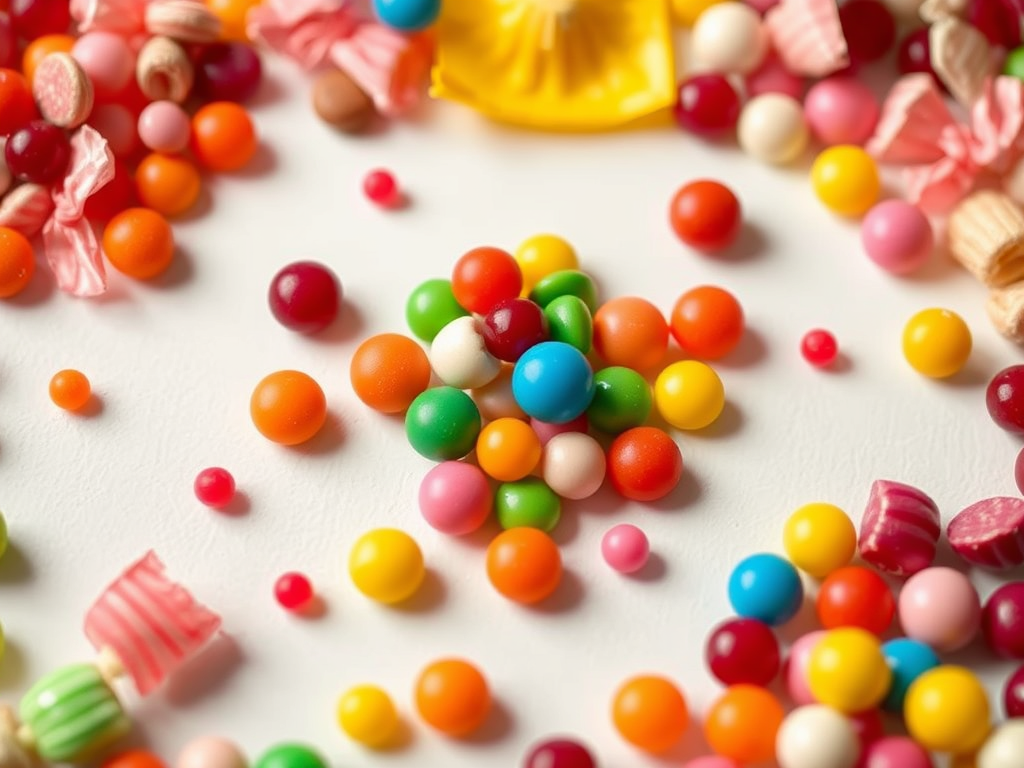
Let me be straight with you – this isn’t your typical green juice detox. The candy cleanse basically flips traditional cleansing on its head. Instead of cutting out sugar, you’re eating specific candies – usually ones marketed as “natural” or containing some supposedly beneficial ingredient – for a set period.
I first heard about this from my friend who’s always trying the latest wellness trends. She showed me some influencer’s post about it, and I nearly spit out my coffee. The whole concept seems to have bubbled up from social media, with absolutely zero scientific backing (shocker, I know).
Look, I’m not a doctor, but I’ve been writing about nutrition for over a decade, and I’ve seen enough fad diets come and go to spot one from a mile away. This one just happens to be wrapped in colorful packaging.
GAME-CHANGING WEIGHT LOSS REVELATION!🔥 Activate your body’s natural slimming power with a secret celebrities have kept hidden! 💪

Candy Cleanse Weight Loss: Examining the Claims
Of course candy cleanse weight loss is the big selling point here. According to the true believers, here’s how it supposedly works:
- You eat less overall – Duh. If you’re just having small amounts of candy instead of actual meals, you’re cutting calories dramatically.
- You don’t feel deprived – The theory goes that allowing yourself candy prevents the “screw it all” binge that happens when you restrict too much. I can kind of see the psychology here, but there’s a massive difference between enjoying occasional treats and subsisting on them.
- Something about “toxins” – Some proponents make vague claims about certain candy ingredients helping “flush out toxins,” which is complete nonsense.
I spoke with my friend Maria, who’s been a dietitian for 15+ years and has seen every diet trend imaginable. She just rolled her eyes when I mentioned the candy cleanse. “It’s just another restrictive diet with a gimmicky hook,” she told me. “Any weight people lose comes from eating fewer calories, not from some magical property of candy.”
Why We’re So Obsessed With Sugar
Our relationship with sugar is complicated, to say the least. From a purely biological standpoint, we’re hardwired to seek it out. Back when our ancestors were foraging for food, sweet meant safe and calorie-dense – exactly what you needed when food was scarce.
When you eat something sweet, your brain lights up like a Christmas tree. Dopamine floods your system, creating that little “ahh” feeling that makes you want to reach for more. It’s powerful stuff.
I called up Dr. Jim Peterson, who researches food psychology at Western University. He wasn’t surprised about the candy cleanse trend. “People are desperately looking for a way to keep sugar in their lives without the guilt,” he told me. “A cleanse that actually includes candy feels like getting away with something forbidden, which makes it psychologically appealing even if it makes no nutritional sense.”
That hit home for me. I’ve definitely experienced that weird food guilt cycle where the more I try to avoid something, the more I obsess over it.
What Works Better Than This Nonsense
Rather than jumping on the candy cleanse bandwagon, here are some approaches that actually make sense:
Mindful Eating (Without the Woo-Woo)
I used to roll my eyes at the term “mindful eating” until I tried it. It’s not about chanting over your food or anything weird. It’s simple stuff like:
- Putting your damn phone away while you eat
- Noticing when you’re stress-eating versus actually hungry
- Actually tasting your food instead of inhaling it
- Stopping before you feel like you need to unbutton your pants
When I started doing this, I noticed I was reaching for sweets out of boredom or stress more than actual hunger. That awareness alone changed my habits more than any strict diet ever did.
Real Food That Doesn’t Make You Miserable
Instead of going to extremes, what about just eating real food most of the time and enjoying treats occasionally? Revolutionary concept, I know.
My approach these days is pretty simple:
- Lots of protein because it actually keeps me full
- Complex carbs that don’t send my energy crashing an hour later
- Enough fat to make food taste good and keep my hormones happy
- As many veggies as I can stand
- And yes, sometimes candy, because I’m a human being not a robot
What Actual Experts Think About “Cleansing”
I reached out to several nutritionists and doctors for this article, and the consensus was unanimous: your body doesn’t need special cleansing procedures.
Dr. Karen Lima from City Hospital didn’t mince words: “Your liver and kidneys are cleansing your body 24/7. That’s literally their job. No candy or juice or special tea is going to do it better.”
The American Dietetic Association has been saying this for years, but somehow the message gets lost in the noise of influencers hawking the latest cleanse products.
Real People, Real Experiences
I tracked down some folks who actually tried this approach to see what happened.
Mark, a 38-year-old teacher, told me: “I lasted three days before I got the worst headache of my life. I was irritable, couldn’t focus on my students, and ended up demolishing a large pizza by myself. Then I felt awful about failing. The whole experience messed with my head.”
Jessica, 26, had a slightly better experience: “I didn’t take it too seriously. I just incorporated more of these specific gummies that were part of the cleanse while eating normal meals too. So basically I just added extra candy to my diet and called it a cleanse. Didn’t lose weight but enjoyed myself!”
Then there was Robin, who took the full plunge for a week: “The first day was fun, second day was ok, by day three I never wanted to see another piece of candy again. And the sugar crashes were brutal. My coworkers probably wanted to murder me.”
Not exactly glowing endorsements.
What Actually Happens To Your Body
During one particularly slow news week, I interviewed an endocrinologist about what would happen physiologically if someone replaced meals with candy. She painted a pretty grim picture:
- Blood sugar rollercoaster – Massive spikes followed by crashes, leading to fatigue, irritability, and intense hunger
- Nutritional gaps – Missing out on protein, fiber, vitamins, minerals, and basically everything your body needs to function properly
- Metabolic confusion – Your body might actually hold onto fat more stubbornly when it senses starvation (which is what extremely low calorie intakes signal)
- Messed up hunger signals – Losing touch with your body’s natural hunger and fullness cues, which can take months to properly restore
“There’s no free lunch in nutrition,” she told me. “Quick fixes almost always lead to long-term problems.”
Finding Peace in a Sugar-Crazy World
We live in a bizarre culture when it comes to sugar. We’re simultaneously obsessed with it and terrified of it. Birthday celebrations? Centered around cake. Had a bad day? Ice cream to the rescue. But then we spend the rest of our time feeling guilty and trying to atone for these “sins.”
I’ve spent years trying to figure out how to enjoy sweet things without the accompanying guilt spiral. Here’s what’s worked for me:
- Keeping my favorite chocolate in the house and having a piece when I actually want it, instead of trying to not keep it around and then ordering a whole dessert platter from Uber Eats at 11pm
- Pairing sweet stuff with protein or fat (think: apple with peanut butter) to avoid the blood sugar spike and crash
- Recognizing when I’m reaching for sugar because I’m tired, stressed, or bored, and sometimes choosing to address the actual issue
- Having other pleasure sources in my life besides food (novel concept, right?)
Finding What Works For You
The most sustainable approach is always going to be the one that fits your individual life. For me, that meant:
- Getting honest about my sugar habits – I was a secret car snacker for years
- Thinking about goals beyond weight – Like having energy to keep up with my nephew
- Working with my preferences, not against them – I’m never giving up pasta, sorry not sorry
- Making small changes I could actually stick with – Water before coffee in the morning was doable; giving up coffee entirely was never happening
- Getting help when I needed it – A nutritionist helped me work through some longstanding food issues
My friend Jake, who’s a nutrition counselor, gave me some advice that stuck with me: “Most people can’t maintain dramatic changes. But they can maintain small ones that add up over time. The candy cleanse is the nutritional equivalent of getting a payday loan – quick fix now, bigger problems later.”
The Joy Factor
One thing that’s helped me enormously is realizing that enjoying food is not just allowed, it’s actually important. There’s research showing that pleasure affects how our bodies process food.
I spent a semester studying in Italy during college, and something clicked for me there. People enjoyed rich, delicious food, took their time eating it, and generally seemed to have a healthier relationship with indulgence than we do in America. They weren’t doing candy cleanses, that’s for sure.
My Italian host mom, Francesca, was in her 60s and had maintained the same weight her entire adult life. “Food is for pleasure, for family, for life,” she told me. “Why make it complicated?” Those words have stuck with me for nearly 15 years.
Cutting Through the BS Online
The explosion of nutrition “experts” online has made figuring out what’s legitimate nearly impossible. Everyone’s got a certification in something, and they all contradict each other.
When I see something like the candy cleanse trending, I run through a mental checklist:
- Who’s promoting this? What are their qualifications?
- Are they selling something related to this advice?
- Does it promise dramatic, rapid results?
- Does it demonize entire food groups or elevate others to “superfood” status?
- Does it sound too good (or weird) to be true?
As my journalism professor used to say: “If a headline sounds like clickbait, it probably is.” The candy cleanse checks all those boxes.
The Bottom Line: Real Talk
After spending way too much time researching the candy cleanse, here’s my take: it’s not the worst gimmick I’ve seen (remember the tapeworm diet?), but it’s still a gimmick. If you’re drawn to it because traditional healthy eating advice feels too restrictive or boring, that’s actually valuable information about your relationship with food.
Maybe instead of swinging between restriction and candy cleanses, there’s a middle path that includes nourishing your body while also leaving room for pleasure and flexibility.
For what it’s worth, I’ve made peace with having a sweet tooth. I keep good chocolate in the house, bake cookies when the mood strikes, and don’t freak out about occasional ice cream. But I also make sure I’m getting enough protein, fiber, and vegetables most days. It’s not sexy, it won’t go viral on TikTok, but it’s sustainable.
And at the end of the day, sustainability beats the hell out of any cleanse.
READY TO TACKLE STUBBORN BELLY FAT QUICKLY? 🔥Here’s your hidden gem! Simply blend this tasteless powder into your morning coffee and watch the transformation happen! 💪





 Fitness Motivation & Sustainable Health Habits
Leave a comment